5 Pool Equipment Repair Tips to Save Money
August 27, 2026
Pool equipment repair is the process of diagnosing and fixing malfunctions in essential systems like pumps, filters, heaters, and chlorinators. For Central Coast homeowners, timely repair ensures water safety, prevents expensive structural damage, and maintains energy efficiency, allowing for a seamless swimming and spa experience throughout the year.
Why is my pool pump making a loud noise?
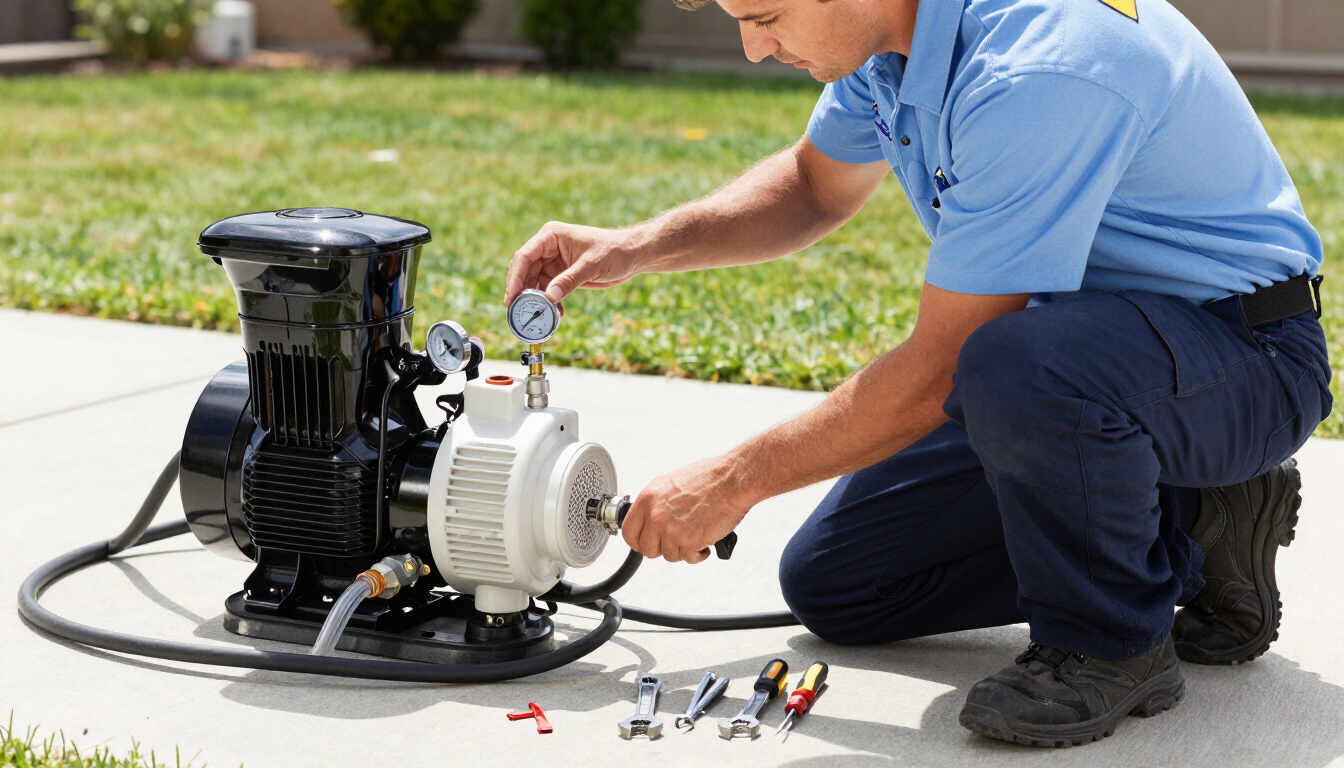
A noisy pool pump is one of the most common signs that you need pool equipment repair. Often, this sound is described as a 'screeching' or 'grinding' noise, which usually indicates that the motor bearings are failing. This often happens due to age or a small internal leak that has allowed water to reach the bearings, causing rust and friction. In other cases, a loud 'rattling' might suggest that the pump is cavitating—essentially gasping for water because there is a blockage in the skimmer or a suction line. Identifying these sounds early is crucial for homeowners in Nipomo and Arroyo Grande to avoid a total motor burnout.
If your pump sounds like it is full of rocks, it is likely vibrating due to an insecure mounting or debris caught in the impeller. Impeller clogs are particularly common after heavy winds on the Central Coast, which can blow pine needles and eucalyptus leaves into the water. Clearing the pump basket regularly is the first line of defense, but if the noise persists, it may require a professional teardown to inspect the internal components. Addressing pump issues promptly not only saves the motor but also ensures your filtration system continues to sanitize the water effectively.

Common Signs of Pump Failure
- Visible water leaking under the motor housing.
- The pump humming but failing to start.
- Frequent tripping of the electrical circuit breaker.
- Reduced water flow returning to the pool.
- Air bubbles appearing in the pump basket or return jets.
Maintaining your pump is a core part of weekly pool & spa maintenance. When the pump fails to circulate water, chemicals cannot be distributed, leading to rapid algae growth, especially during the warmer months in Santa Maria and Guadalupe. If you notice any of these symptoms, it is time to evaluate whether a repair or a modern, energy-efficient replacement is the better long-term investment for your property.
Why is my pool water still cloudy after filtering?
If you have been running your pump but the water remains dull or hazy, your filtration system is likely the culprit. A filter's job is to trap fine particles, but over time, the filter media—whether it be sand, DE (diatomaceous earth), or cartridges—becomes saturated with oils, minerals, and debris. In Nipomo, the high mineral content in our local water can lead to calcium build-up within the filter, significantly reducing its effectiveness. This often necessitates a deep clean or a complete media replacement as part of your regular pool equipment repair schedule.
Cartridge filters, which are very popular in the Pismo Beach area, require regular rinsing and annual chemical soaking to remove deep-seated contaminants. If the internal pleats are torn or the plastic end caps are cracked, the filter will 'bypass' the debris, sending dirty water right back into the pool. For DE filters, a torn grid can cause white powder to settle on the pool floor. Regularly checking your pressure gauge is the best way to monitor filter health; a rise of 8-10 PSI above the 'clean' reading indicates that the system is struggling and requires immediate attention to maintain water clarity.
Essential Filter Maintenance Steps
- Backwash sand or DE filters every 4-6 weeks.
- Clean cartridge filters every 3-4 months.
- Inspect O-rings for cracks and apply lubricant.
- Check the pressure gauge for abnormal readings.
- Chemically soak cartridges once a year to remove oils.
Impact of Local Water Quality
Living on the Central Coast means dealing with unique environmental factors. Our coastal air, filled with salt and moisture, can accelerate the corrosion of metal components on your equipment pad. Meanwhile, inland areas like Santa Maria often deal with harder water that leads to scaling. Regular maintenance helps mitigate these local challenges, ensuring that your equipment lasts as long as possible despite the harsh environmental conditions.
How can I tell if my pool heater is broken?
A malfunctioning heater is often first noticed when the water temperature fails to rise despite the unit being 'on.' For gas heaters, common issues include pilot light failures, clogged burners, or faulty thermostats. In the Central Coast, spiders and small rodents often find their way into heater cabinets during the winter, building nests that can block airflow or damage delicate spa wiring. If you hear a 'knocking' or 'banging' sound coming from the heater, it usually indicates a lime-scale build-up or a pressure issue that requires professional pool equipment repair to prevent the heat exchanger from soot-up or leaking.
Modern heaters are highly sensitive to water chemistry. If your pH levels have been consistently low, the acidic water can eat away at the copper heat exchanger, leading to copper stains on your pool surface and a ruined heater. This is why integrated pool & spa automation is such a valuable tool; it can help monitor and manage systems more precisely. Automation also allows you to turn on your heater from your smartphone, ensuring the spa is at the perfect temperature the moment you get home to Grover Beach or Oceano.
Benefits of Upgrading to Automation
- Remote control of heating and lighting via mobile apps.
- Increased energy efficiency through programmable schedules.
- Precise salt chlorination and chemical dispensing.
- Automatic switching between pool and spa modes.
- Early detection of equipment errors through system alerts.
Automation reduces the manual labor involved in pool ownership and ensures that your equipment runs only when necessary, lowering your monthly utility bills. For many homeowners, the transition from manual valves to automated actuators is the single best improvement they make to their backyard oasis. It simplifies the user experience and provides peace of mind that the system is operating within safe parameters.
Why is my spa losing water but not the pool?
If you have a pool-spa combo and notice the spa level dropping overnight, the issue is usually not a leak in the shell but a failure in the check valves. Check valves are designed to keep water from flowing backward when the pump is off. When these valves wear out or get stuck open by a small pebble, the water in the elevated spa drains back into the pool through the return lines. This is a common spa repair that is relatively simple to fix but can be confusing for homeowners who fear a structural leak.
When should I call a professional for spa repairs?
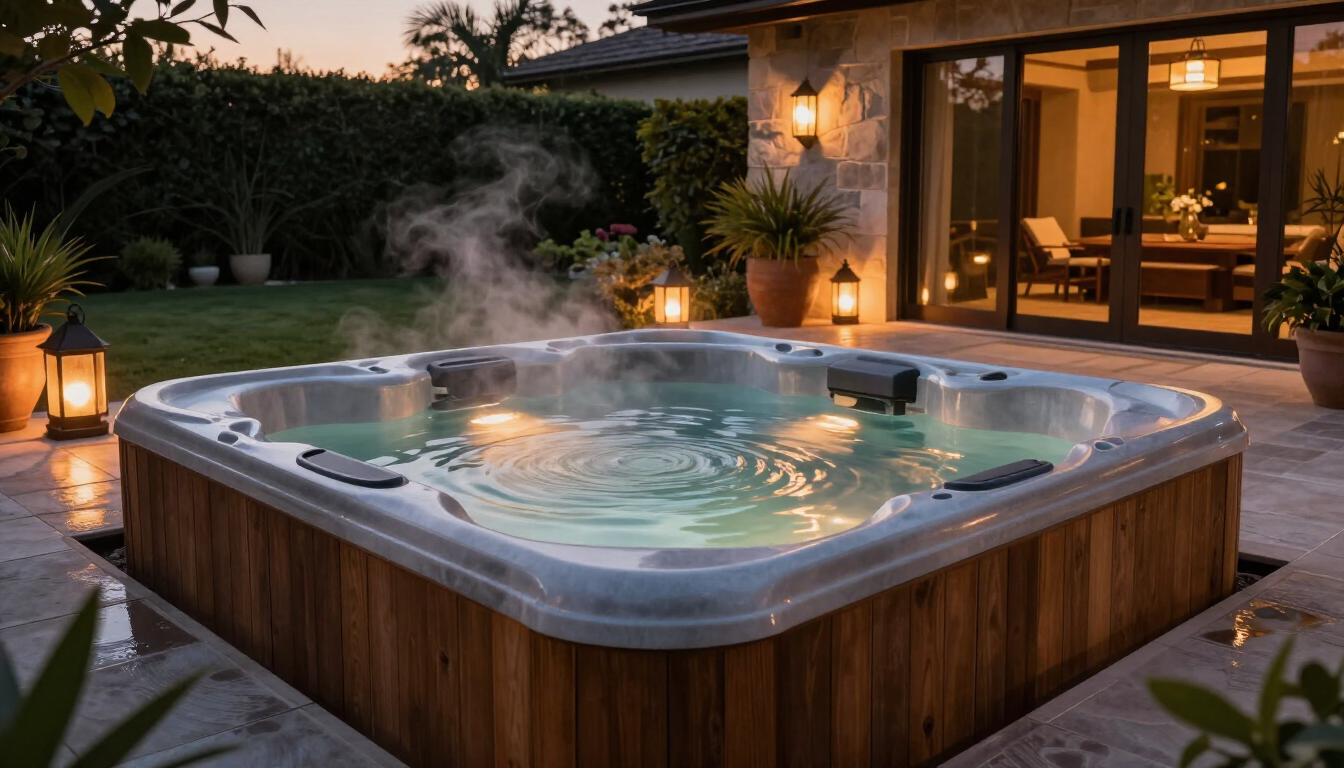
While some pool tasks are DIY-friendly, spa and hot tub repairs often involve complex electrical components and high-voltage wiring. If your spa is tripping the GFCI breaker, it is a clear signal of an electrical short, often caused by a failing heater element or a leaking pump seal dripping onto the motor. Attempting to fix these issues without proper training can be dangerous. Professional technicians have the specialized tools to test circuits and identify the exact component that has failed, ensuring the repair is safe for your family.
Furthermore, modern portable spas have intricate control boards that manage multiple jet pumps, blowers, and ozonators. If your spa displays an 'OH' (overheat) or 'FLO' (flow) error code, it could be anything from a dirty filter to a failed pressure switch or a broken circulator pump. Our team provides expert spa & hot tub repairs across Northern Santa Barbara County and Southern SLO County, helping you get back to relaxing in hot water without the stress of troubleshooting complex electronics yourself.
Maintaining Equipment Longevity on the Central Coast
To get the most out of your investment, consistency is key. The salt air in Pismo Beach and the wind-blown dust in Nipomo mean that equipment pads need to be kept clean and clear of debris. Ensuring proper ventilation around your heater and protecting your automation panel from direct afternoon sun can prevent premature component failure. If you are unsure about the current state of your system, our About Us page details our experience in local pool care and how we help homeowners maintain their systems.
Summary of Key Takeaways
Maintaining your pool and spa equipment is essential for a clean, safe, and efficient swimming environment in the Central Coast region. By identifying early warning signs such as unusual noises, cloudy water, or heater failures, you can address repairs before they escalate into major expenses. Remember that automation and regular maintenance are your best tools for long-term success.
- Listen to your equipment: Screeching or grinding usually means motor bearings need attention.
- Monitor pressure: A high filter pressure gauge reading is a call for immediate cleaning.
- Check valves: Spa drainage is often a simple valve issue, not a structural leak.
- Safety first: Always call a professional for electrical issues or spa wiring problems.
- Optimise: Consider automation to save energy and simplify your maintenance routine.





